North Shore Oahu Guide 2026: When to Chase Waves and When to Snorkel
The North Shore of Oahu runs on two distinct calendars: one for raw ocean theatre, and another for placid, reef-rich snorkeling. Time your trip to match the mood you want, pick the right base, and know the rules so your days are spent watching world-class surf or floating over coral, not fixing avoidable problems.
Savvy Insight: If you are planning around surf spectacles or calm snorkeling, check authoritative forecasts the evening before your outing, and plan your best viewing or entry during morning hours when conditions typically cooperate.
When to visit, in plain terms
Big-surf season: November through March, peak December to February
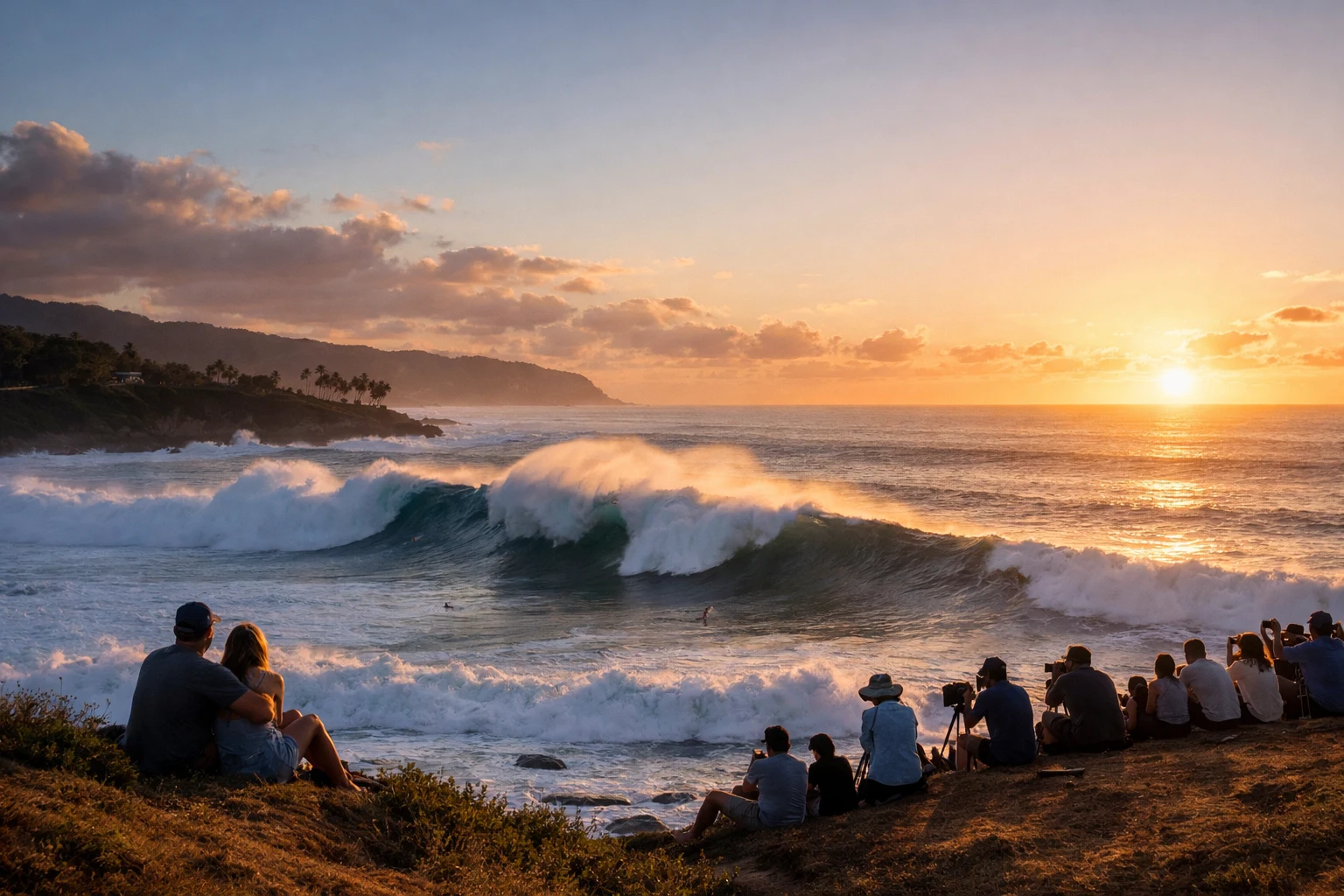
Winter on the North Shore means large, powerful swells generated by North Pacific storms. Forecasting and local safety authorities describe a clear seasonal pattern: surf rise begins in November, peaks in December through February, and generally tapers by March. That is the window to plan a surf-watching trip, photography shoots, or to time attendance at legendary events. For real-time advisories and High Surf warnings, make the National Weather Service Honolulu surf product a nightly check before any beach plans: NWS Honolulu surf products.
Summer snorkeling: roughly May through September, with the calmest months often in June to August
Summer brings gentler north shore seas and much better visibility for shore snorkeling. Popular sites like Shark’s Cove and Three Tables sparkle in the warmer months, particularly during morning slack water. If your trip prioritizes easy snorkeling, swimming with family members, or relaxed reef time, schedule between late spring and early fall for the best odds of glassy conditions.
Know the rules: protected areas and safety basics
Some of the North Shore’s most attractive snorkeling spots, including Shark’s Cove and Three Tables, sit inside the Pūpūkea Marine Life Conservation District. That status means rules to protect reef ecosystems, and limits on commercial activity. Read the official DLNR page before you go so you understand what is allowed and what is not: Pūpūkea MLCD, DLNR.
Ocean safety is not optional. Hawaii Ocean Safety frames the seasonal risk picture, highlighting winter surf as the main reason for dangerous conditions and beach closures. When waves are large, lifeguard flags, closures and advisories can change access at short notice. Use their guidance plus NWS products as your primary sources of truth: Hawaii Ocean Safety surf seasons and the NWS link above.
Booking Check: Verify MLCD rules for Shark’s Cove and Three Tables, check lifeguard status, and read the NWS surf product the evening before your planned water activity. Commercial operators are permitted in these areas under DLNR rules, but independent visitors must follow posted restrictions.
Where to base yourself: Turtle Bay resort versus Haleiwa and smaller options
Choosing your base is the highest-leverage decision for comfort, logistics and daily travel time.
Turtle Bay: resort convenience and sheltered snorkeling
The North Shore’s full-service resort option is the property listed under The Ritz-Carlton Oahu, Turtle Bay. The resort provides predictable access to Kuilima Cove, on-property activities, pools and dining that reduce daily friction for families and travelers wanting fewer moving parts. The resort site documents Kuilima Cove access and a calendar of on-site activities, and lists transportation options including observed airport shuttle information: Ritz-Carlton Oahu, Turtle Bay. For mixed-ability groups and households traveling with children, the cove is a dependable, sheltered option for short, safe snorkels.
Smart Move: For a lower-stress family or accessible-luxury stay, base at Turtle Bay to use Kuilima Cove for calm morning snorkels and trade daily driving time for resort convenience and services.
Haleiwa and boutique rentals: local flavor and flexibility
Haleiwa is the North Shore’s lively visitor hub, home to shave ice stands, shrimp trucks and surf culture. Hotel inventory in town is limited, so many travelers choose vacation rentals, guesthouses or small B&Bs. That yields stronger local character and often better nightly value, but it means you should vet parking, check-in rules and cancellation policies more carefully. The Honolulu Tourism North Shore guide is a helpful neighborhood overview: Honolulu Tourism: North Shore.
What to book and who to trust
Surf lessons and local operators
Lessons are common morning activities. If you prefer instruction led by a female-founded school, North Shore Surf Girls is a local option offering group and private lessons and can be a good cultural fit for women-focused groups: North Shore Surf Girls. Book lessons with clear cancellation terms and morning slots to take advantage of calmer winds and consistent light.
Shore snorkeling and boat experiences
Shark’s Cove and Three Tables reward early-morning visits for the best visibility, but remember MLCD rules apply. For boat-based wildlife experiences, operators out of Haleiwa Small Boat Harbor run shark-cage and wildlife tours with morning-weighted schedules and family-friendly age policies. Hawaii Shark Encounters is one example of an operator offering these tours; check the operator site for specific schedules and age minimums before booking: Hawaii Shark Encounters.
Sample itineraries, season aware
Summer family three-day sample, calm water focus
- Day 1: Arrive, settle into Turtle Bay or a Haleiwa rental, and spend the afternoon exploring the resort grounds or Haleiwa town.
- Day 2: Early sheltered snorkel at Kuilima Cove if you are at Turtle Bay, or drive to Shark’s Cove for a morning snorkel session. Afternoon shave ice and a relaxed evening.
- Day 3: Short morning activity such as a family surf lesson or a gentle boat snorkel, then depart mid-day.
Winter surf-watching three-day sample, big-surf focus
- Day 1: Check the evening NWS and local safety advisories, settle in and plan sunrise viewing locations.
- Day 2: Sunrise viewing at Waimea Bay and coastal scouting for the best vantage points. Spend the afternoon in Haleiwa for food and surf culture stops.
- Day 3: Morning look at Pipeline or Sunset Beach, then depart mid-morning.
Packing notes, gear and practicalities
- Bring reef-safe sunscreen and water shoes for rocky shore entries at places like Shark’s Cove.
- Mask and snorkel if you prefer your own gear, and quick-dry clothing for packing ease.
- If you plan to drive, rent a car for flexibility and expect that travel times along Kamehameha Highway may lengthen on big-surf event days.
Savvy Insight: For shore snorkeling, plan to arrive at popular sites at or just after first light to beat the crowds and to get the best water clarity. Wear water shoes to protect feet on the rocky entries common at MLCD sites.
Who this guide is best for
- Couples who want accessible luxury and predictable mornings will appreciate Turtle Bay’s convenience.
- Families who value safe, sheltered snorkeling should lean toward Kuilima Cove and resort logistics.
- Surf travelers and photographers chasing winter spectacle can favor Haleiwa for local energy, or split stays between Haleiwa and Turtle Bay to balance convenience and culture.
Booking and timing checklist
- Book accommodations early for peak winter surf and summer snorkeling windows.
- Check the NWS Honolulu surf products and Hawaii Ocean Safety advisories the night before any beach plans.
- Confirm MLCD rules for Shark’s Cove if you plan to snorkel there, and verify permit status when booking commercial tours.
- Reserve lessons and boat tours with operators in advance, and look for morning departures when possible.
With a clear seasonal plan, the right base and respect for local rules, the North Shore is two distinct escapes in one coastline. Time your trip to the calendar you want, and your days will be spent watching epic surf or drifting over bright reef life.
That is the Savvy Wanderer move: spend smarter, travel better.
Travel information, prices, availability, requirements, and policies were accurate when researched and may change. Confirm current details directly with the relevant provider or official source before booking or traveling.